Choosing the University of Leicester's Advanced Computer Science MSc “with Industry” does not secure an employer placement. You must compete for a role, meet the academic progression conditions and complete the university's placement approval process. The degree also has an assessed academic path after recruitment; it is not simply a longer period available for paid work.
This guide checks Leicester's Advanced Computer Science course page and its with-industry specification for students starting in 2025/26 onwards on 5 November 2026. The course page includes January 2027 information. Confirm the documents applicable to your actual offer and intake before acting. This is a study-route comparison, not a personal admission or work-permission assessment.
First decide whether the academic course fits
The course is advanced computing study, not a promise that any earlier degree can be converted into a software career. Its stated entry requirements concern relevant prior study with substantial computing content, with relevant experience potentially considered. The university must assess your actual background.
Identify a problem you want to learn to solve before choosing the longer route. For example, are you interested in evaluating software quality, designing an interaction or analysing a computational method? Compare that interest with the actual module content and assessed work available for your intake. A list of appealing technology names does not establish that you have the preparation, or will gain the experience an employer requires.
Then compare the standard MSc, the with-industry variant and any other project route separately. Leicester also describes “With Professional Practice” on the course page. Do not treat an industry-related supervised project and a recruited employer placement as interchangeable. Our project-versus-placement guide provides the general distinction; Leicester's actual progression rules add another decision.
Keep recruitment and academic progression separate
The applicable with-industry specification sets progression checks after the first and second semesters. It describes passing the modules at those stages, alongside limited discretion for the Board of Examiners in specified circumstances. Read those provisions together rather than turning one exception into a personal entitlement to proceed.
A conditional employer offer does not remove an academic requirement. Equally, good academic results do not cause an employer to select you. Keep the university's progression decision and the employer's recruitment decision on separate lines in your preparation record.
Plan how you would manage applications alongside assessed study. Record actual recruitment dates where supplied, the university's placement deadline when confirmed, and the academic work due in the same period. Do not invent a universal deadline from a forum account or assume every employer recruits on the same calendar.
If progression is uncertain, obtain the university's decision for your case. This article cannot determine a resit outcome, approve an exception or confirm that you can start work while a result remains unresolved.
An attractive role still needs academic approval
Leicester says its School assesses placement relevance through an approval process. The provider is asked about the work, the expertise involved, resources, a suitable mentor and whether the role is suitable for the student's relevant nationality category.
That is more specific than recognising an employer's name. Before relying on a proposed role, establish what you would actually do and how it connects to the programme. A famous company and a computing-related job title are not substitutes for the university's approval.
Prepare a role-evidence note with the proposed responsibilities, skills you would use or develop, supervision, working location and the written approval still needed. Keep employer information and personal documents private. The note helps identify gaps; it is not a document that awards approval to yourself.
Separately check the applicable immigration and work conditions through the university's authorised advice and current official guidance. Academic approval, employer selection and permission to undertake work answer different questions. Our UK study-and-work guide explains that boundary without promising a job.
The placement has learning and assessment obligations
The newer specification describes reflective journals and a pass/fail portfolio, followed by the dissertation or research project. Being employed is therefore not the whole academic task.
Build a learning record around evidence rather than an impressive title. For each meaningful task, identify the problem, your actual contribution, what you learned, feedback received and what remains uncertain. Respect the employer's confidentiality and intellectual-property rules; permission to work on information does not automatically permit publishing it in a portfolio or public job application.
As a hypothetical exercise, suppose you helped test a software change. Distinguish running an existing test procedure from designing the tests or deciding that the software was ready to release. Explain only the responsibility and result you can substantiate. This is an example of accurate reflection, not a real student's experience or an assessment template approved by Leicester.
Compare the fallback before committing funds
The specification explains that students who do not secure a placement by the required deadline move to the non-industry variant and proceed to the dissertation or research project. It also describes other circumstances affecting the route and award. The alternative is an academic path, not a guaranteed replacement employer.
Ask what that change would mean for your own study calendar, registration, fee position, housing commitments and immigration advice. Do not calculate a refund, completion date or shorter stay from the label “standard MSc” alone.
For your family, compare the funded plan if a placement proceeds with the plan if it does not. Include the verified placement fee and any extra living period once confirmed. The course page says an additional fee applies if a placement is secured; it does not supply every cost in your personal budget. Keep unconfirmed wages outside the money available to commit today.
Use the budget beyond tuition guide to organise those dependencies. Placement participation is not proof of a graduate job, salary or sponsorship outcome.
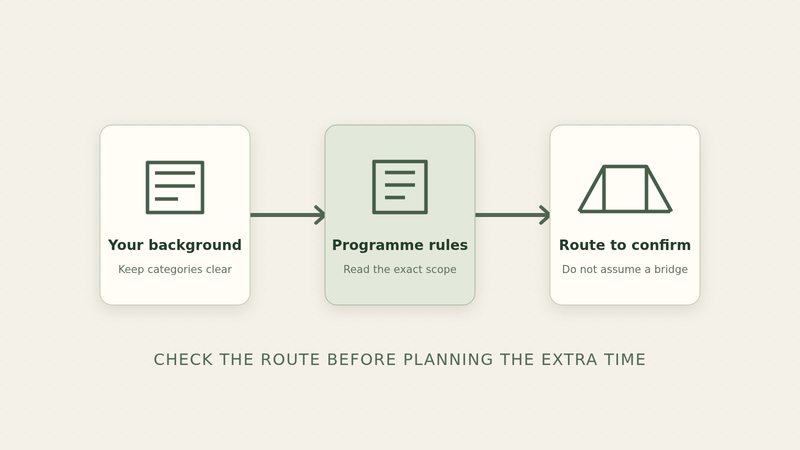
Your next action is one route record: academic fit; progression decision; employer selection; university approval; assessment obligations; and funded fallback. Mark each item confirmed or unresolved, with its source and date. Choose the route whose learning value and downside you can explain, rather than assuming “with Industry” is an employment guarantee.
Prepared with AI assistance from the linked primary university sources. The decision record and hypothetical reflection exercise are original editorial interpretation. No student record, employer partnership, placement success rate or individual outcome is represented.